How to Keep a Project Safe, Legal, and Ready for Approval
Steel construction has to meet building code rules at every stage of a project. That means the design, materials, welding, fire protection, loads, and inspections all need to match local and state rules. If one part does not meet code, the job can face delays, failed inspections, added repairs, or safety risks. In Northville, MI, code compliance starts with good plans, clear records, and skilled installation from day one.
Quick Answer
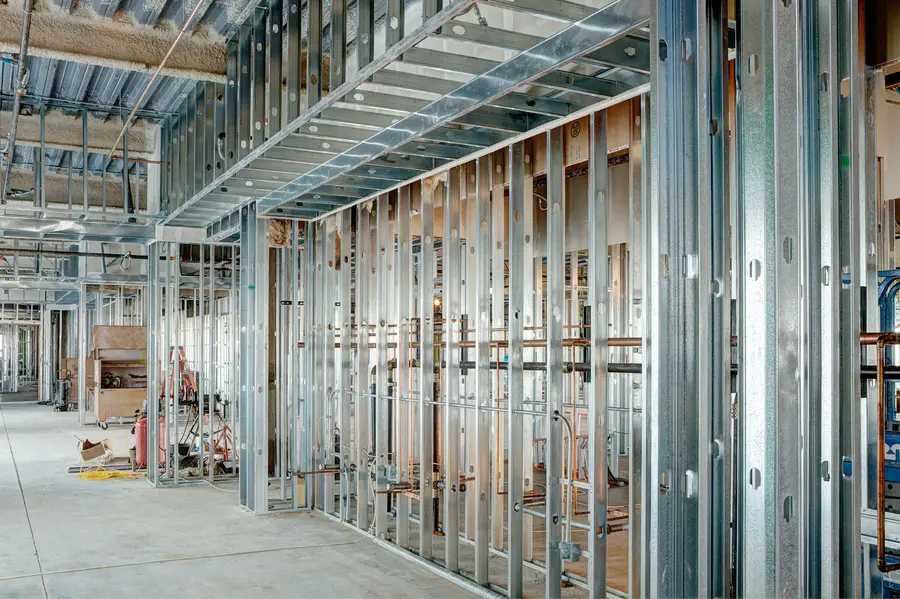
building code compliance for steel construction means the structure must be designed and built to meet safety rules. These rules cover strength, fire resistance, wind loads, connection details, and more. A code-compliant steel frame helps protect people, supports the building as planned, and gives inspectors what they need for approval. This topic also connects to the wider service category keyword, even when the main focus is frame design and installation.
What You Need Before Starting
Before a steel construction project begins, a few things should already be in place. The first is a full set of plans made for the site and the building use. A warehouse, office, school, and retail space do not all follow the same needs. The next item is a clear view of local code rules, permit steps, and inspection timing. Soil reports, load data, and product documents also matter. If steel members or fasteners are missing labels or test records, that can slow the job later.
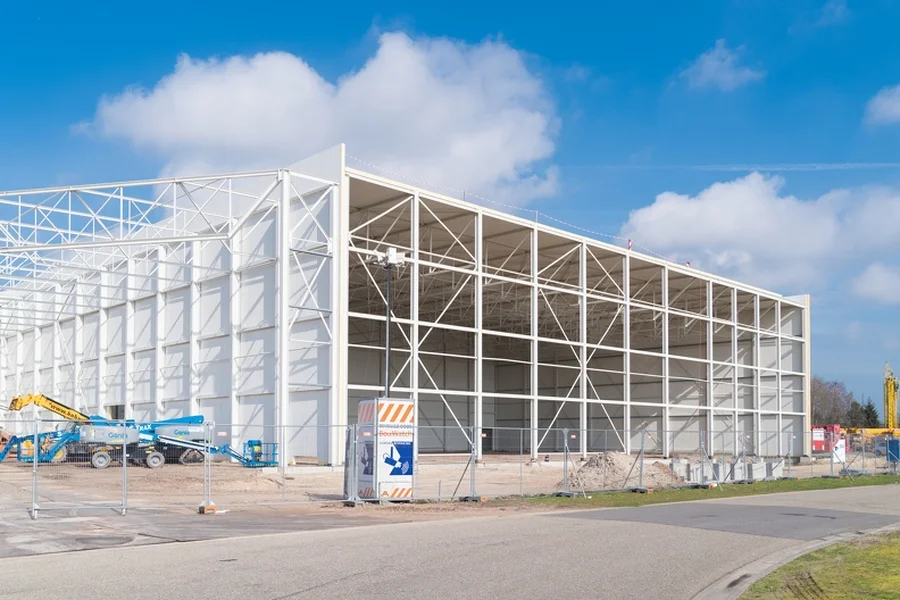
It also helps to know who is handling each task. One team may design the frame. Another may fabricate the beams and columns. Another may install them in the field. If those groups are not working from the same plan set, mistakes can happen fast.
Step-by-Step Process
Most code-compliant steel construction projects follow a simple path from planning to final review.
- Start with site data and building use details.
- Create structural plans based on current code rules.
- Submit plans for permit review.
- Order approved steel materials with proper documents.
- Fabricate members to match the approved drawings.
- Install the frame with the right bolts, welds, and bracing.
- Schedule inspections at the required stages.
- Fix any noted issues before final approval.
- Keep records for materials, changes, and completed work.
Each step supports the next one. For example, a small change in anchor bolt placement can affect column fit, frame alignment, and inspection results. That is why it helps to check details early instead of waiting until steel is already on site.
Common Mistakes to Avoid
Many code problems in steel construction do not start with the steel itself. They start with missing details, rushed planning, or field changes that were never approved. A beam may be the right size, but if the connection is wrong, the whole area can fail inspection. Fireproofing is another common issue. Some owners focus on the frame and forget that fire ratings may apply to parts around it.
- Using old drawings after plan updates
- Skipping permit review before fabrication
- Changing connections in the field without approval
- Using materials without test or grade records
- Missing weld inspection reports
- Forgetting fire protection rules
- Poor coordination with concrete or foundation work
Another mistake is thinking code is only about passing inspection. Code is also about long-term safety. A project that barely passes but has weak documentation can create trouble during future repairs, additions, or property sales.
When to Call a Professional
Some small metal work jobs are simple, but most structural steel construction needs professional help. If the project includes load-bearing beams, columns, stairs, mezzanines, roof framing, or any public-use building, trained experts should handle the work. The same is true if local code rules are strict, the site has poor soil conditions, or the building needs special fire or wind design.
You should also call a professional if an inspector has flagged a problem. A failed inspection is not always a quick fix. In some cases, the issue may involve engineering review, added welding checks, or partial removal and replacement. Getting help early can save time and reduce rework.
Why Codes Matter so Much for Steel Work
Steel is strong, but strength alone is not enough. A steel frame has to carry real loads from people, equipment, storage, weather, and daily use. It must also work as one system. That means the columns, beams, braces, deck, and connections all need to support each other the right way. Building codes set the minimum rules for that system.
Codes can also affect details many people do not see at first. These include corrosion protection, welding standards, bolt tension, exit access around steel framing, and support for mechanical units on the roof. In Northville, MI, local review offices may also look closely at wind exposure, seismic needs, drainage, and occupancy type. A careful steel construction process helps avoid surprises when those checks begin.
Records and Inspections You Should Expect
Paperwork is a big part of building code compliance. Inspectors often want proof that the installed work matches the approved plans. That may include mill certificates, welding procedure records, bolt data, inspection reports, and revised drawings if changes were made. Good records help answer questions fast and keep the project moving.
Inspections may happen before concrete is poured, during steel erection, after welding, or near the end of the job. The exact timing depends on the project. Missing an inspection window can lead to delays, and hidden work may need to be exposed later. That is one more reason to plan steel construction with code checks built into the schedule.
Final Recommendation
If you want a steel construction project to stay on track, start with approved plans, qualified crews, and clear inspection steps. Small errors in steel work can grow into large code problems when they are found late. A solid process helps protect the building, the schedule, and the people who will use the space every day.
Get Help With Your Next Project
If you are planning work in Northville, MI, we can help explain the next steps for code-ready steel construction. At Man of Steel LLC, we focus on clear planning, safe work, and solid documentation from start to finish. Call us at (248) 264-3328 to talk about your project and how we can help you move forward.