A Strong, Fast, and Flexible Choice for Big Projects
Large buildings need a frame that can carry heavy loads, span wide areas, and go up on a tight schedule. steel construction works well because it is strong for its weight, easy to shape, and reliable across many building types. It also helps crews build taller structures, create open floor plans, and keep job sites moving. For warehouses, schools, factories, and large offices, this method often gives owners a smart mix of speed, strength, and long-term value.
Quick Decision Answer
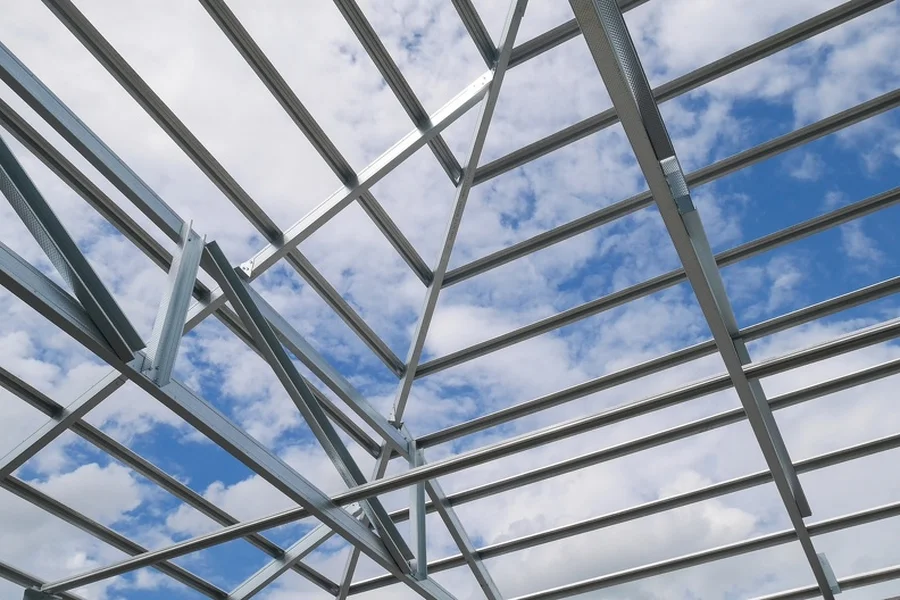
if you are choosing a structure for a large building, steel construction is often a leading option when strength, speed, and design freedom matter most. It handles long spans better than many other materials, which means fewer interior columns. That can make the inside space more useful for storage, equipment, work areas, or public use. It also arrives in parts that are made ahead of time, so crews can assemble the frame faster on site.
Option a Vs Option B Criteria
for many teams, the real choice is steel construction versus concrete or wood framing. Each material has a place, but large buildings usually need a close look at span length, height, load needs, and build time. A simple way to compare options is to focus on what the building must do every day.
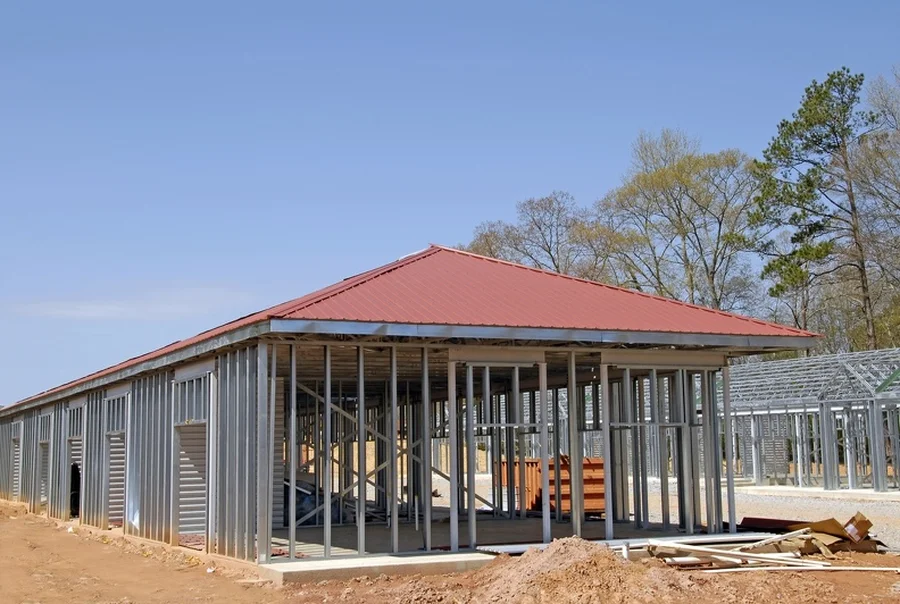
- span needs: steel can cover wide spaces with fewer supports
- height goals: steel is a strong pick for multi-story work
- speed: prefabricated members can shorten on-site time
- layout needs: steel frames allow open interiors and future changes
- site limits: lighter structural weight may help some foundations
- project use: factories, gyms, and warehouses often benefit from this system
the service category keyword can fit under general building and structural planning discussions, even when owners are still comparing frame types. That early planning stage matters because the frame affects almost every later choice, from wall systems to utility runs.
Pros and Cons List
no building method is perfect for every job. Even so, steel construction has a set of benefits that often match the needs of large commercial and industrial buildings.
- pros: high strength with less bulk
- pros: wide clear spans for open interiors
- pros: good fit for prefabrication and faster schedules
- pros: easier to expand later in some building layouts
- pros: more consistent material quality from plant-made parts
- cons: fire protection may be needed based on use and code
- cons: corrosion control matters in wet or harsh settings
- cons: early design changes can affect shop drawings and timing
one common example is a distribution center. The owner may want large open bays for shelving, forklifts, and loading paths. In that case, steel beams and columns can reduce the number of supports in the way. Another example is a school gym, where long roof spans help create a clear play area without columns in the middle.
Best Fit by Scenario and User Need
steel construction is often a strong fit when the building must do more than just stand up. It needs to support real work, people, machines, or goods every day. Large retail stores need open shopping space. Manufacturing plants need room for cranes, lines, and equipment. Office buildings may need floor plans that can change over time. A steel frame can support all of those goals.
it is also useful when time is tight. Since many parts are cut, drilled, and prepared before they reach the site, field crews spend less time making pieces fit. That can help reduce weather delays and site clutter. On bigger jobs, that steady pace can make planning easier for the full build team.
another reason it works well is flexibility. If a building owner wants to add mezzanines, rooftop equipment, or future expansions, a well-designed steel frame can support those updates more easily than some other systems. That does not mean changes are always simple, but the material gives engineers strong options.
Mistakes People Make When Choosing
many owners focus only on the first stage of the build and miss the larger picture. A cheaper material on paper may create trade-offs later. Those trade-offs can show up in layout limits, slower schedules, or trouble with future changes.
- choosing by material cost alone
- ignoring the need for open interior space
- not planning for future growth or equipment loads
- forgetting about local code and fire rating needs
- waiting too long to involve structural experts
another mistake is comparing materials without using the same goals. If one option gives a shorter schedule, fewer columns, and easier utility routing, it should be judged on the full project result, not just one line item. Good decisions come from looking at function, speed, maintenance, and long-term use together.
Final Decision Checklist
before picking a frame type, it helps to ask a few clear questions. These questions can point owners toward the best match for a large building.
- does the building need wide open areas?
- will it carry heavy roof, storage, or equipment loads?
- is a faster build schedule a high priority?
- might the space change use later?
- does the site benefit from a lighter structural system?
- are code, fire, or moisture conditions part of the design plan?
if the answer is yes to several of these, steel construction is often a smart path to study first. It combines strength, repeatable quality, and design range in a way that suits many large projects. From commercial buildings to industrial facilities, it remains a leading choice because it solves real space and performance needs.
Get Help With the Next Step
if you are planning a large building in Northville, MI, we can help you review the best structure for the job. Our team at Man of Steel LLC can walk through your goals, layout needs, and schedule. Call us at (248) 264-3328 to talk about a practical path forward.